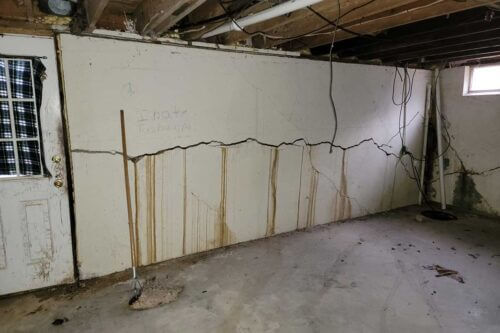
Foundation cracks are a common concern for homeowners, as they can signal underlying structural issues that, if left unaddressed, may lead to costly repairs. Understanding the types of foundation cracks and their causes is essential for determining the appropriate course of action. In this guide, we’ll explore the most common types of cracks, their potential implications, and how Cornerstone Structural Repair & Waterproofing can help you maintain the integrity of your home. Contact us to learn more or schedule a consultation with our foundation repair experts in St. Louis to diagnose your foundation problems.
What Are Foundation Cracks?
Foundation cracks are fractures or splits in the concrete or masonry of a building’s foundation. These cracks can occur for various reasons, including natural settling, soil movement, or changes in moisture levels. While some foundation cracks are harmless, others may indicate serious structural and foundation problems that require immediate attention.
Types of Foundation Cracks
1. Hairline Cracks
Hairline cracks are thin, narrow fractures that often appear in new foundations as the concrete cures and settles.
- Causes: Natural shrinkage of concrete during the curing process, minor settling of the home.
- Appearance: Thin as a strand of hair and often uniform in width.
- Concerns: Generally not structural but can allow water seepage, leading to moisture problems.
- Solution: Sealing these cracks with epoxy or polyurethane injections can prevent water infiltration and mitigate further damage.
2. Vertical Cracks
Vertical cracks run straight up and down or at a slight angle within 30 degrees of vertical.
- Causes: Settling of the foundation, poor drainage, or excess moisture around the foundation.
- Appearance: Wider at one end or consistent in width.
- Concerns: While they are typically not structural, they can lead to water leakage if left untreated.
- Solution: Professional crack sealing and addressing drainage issues to prevent further foundation movement.
3. Horizontal Cracks
Horizontal cracks are among the most serious types of foundation cracks and often indicate significant structural problems.
- Causes: Lateral pressure from soil expansion, poor grading, or water buildup against the foundation walls.
- Appearance: Horizontal or nearly horizontal fractures along the length of the foundation wall.
- Concerns: These cracks may compromise the stability of your foundation and require immediate attention.
- Solution: Reinforcing the foundation with steel braces or wall anchors and addressing soil and drainage issues.
4. Stair-Step Cracks
Stair-step cracks occur in brick or block foundations and follow the mortar joints, creating a step-like pattern.
- Causes: Uneven settling of the foundation, shifting soils, or excessive moisture.
- Appearance: Cracks that zigzag up or down the foundation wall.
- Concerns: May signal foundation movement and potential structural instability.
- Solution: Repairing the cracks with epoxy injections, underpinning the foundation, and stabilizing the soil.
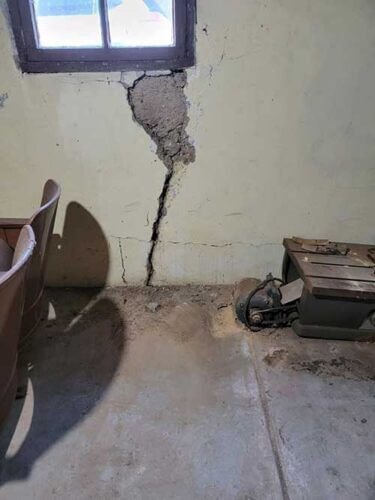
5. Diagonal Cracks
Diagonal cracks appear at an angle and are often wider at one end than the other.
- Causes: Uneven settling, foundation heaving, or inadequate soil compaction.
- Appearance: Slanted cracks extending diagonally across the foundation.
- Concerns: These cracks can allow moisture intrusion and may indicate structural problems.
- Solution: Repairing the cracks and addressing underlying soil or drainage issues.
6. Settlement Cracks
Settlement cracks occur when parts of the foundation settle unevenly.
- Causes: Poor soil preparation, fluctuating moisture levels, or inadequate foundation support.
- Appearance: Vertical or diagonal cracks that are wider at the top or bottom.
- Concerns: These cracks can grow over time and compromise the structural integrity of the foundation.
- Solution: Foundation leveling and repair techniques such as underpinning or slab jacking.
Why Foundation Cracks Should Not Be Ignored
Foundation cracks can lead to a host of problems, including:
- Water Damage: Cracks allow water to seep into basements, causing mold growth and structural deterioration.
- Pest Infestations: Small openings create entry points for insects and rodents.
- Decreased Property Value: Visible cracks can deter potential buyers and reduce the value of your home.
- Structural Instability: Unaddressed cracks may worsen over time, jeopardizing the safety of your home.
Frequently Asked Questions (FAQs)
Are all basement cracks serious?
Not all cracks are serious, but it’s important to monitor their size and appearance. Hairline and vertical cracks are often harmless, while horizontal or stair-step cracks may indicate structural issues.
Learn more about: Cosmetic vs. Structural Foundation Cracks
Can I repair foundation cracks myself?
Small, non-structural cracks can sometimes be repaired with DIY sealants. However, structural cracks or those caused by underlying issues should be assessed and repaired by professionals. Learn more about our foundation repair methods.
How can I prevent foundation cracks?
Maintaining proper drainage around your home, ensuring the soil is compacted properly, and addressing any signs of water buildup will help to prevent cracks from forming and avoid some of the most common causes of foundation failure.
Why Choose Cornerstone Structural Repair & Waterproofing?
At Cornerstone Structural Repair & Waterproofing, we specialize in identifying and repairing all types of foundation cracks. Our team of experts uses advanced techniques and materials to ensure lasting solutions. Whether you need foundation crack repair, basement waterproofing, or concrete leveling, we’re here to help.
Contact Us for Foundation Crack Repair in St. Louis
Don’t let cracks compromise the safety and value of your home. Contact Cornerstone Structural Repair & Waterproofing online or call us today to schedule a free consultation for homeowners in the St. Louis area. Let us help you protect your home’s foundation for years to come.