Foundation cracks are a common concern among homeowners and can signal a range of underlying problems. Understanding the causes of foundation cracks is essential to address issues promptly and protect the structural integrity of your home as different causes can result in different types of foundation cracks.
At Cornerstone Structural Repair & Waterproofing, we specialize in diagnosing and repairing foundation problems for homes in the St. Louis area. In this guide, we explore the primary causes of foundation cracks and how our expert foundation crack repair team can help safeguard your home. Contact our St. Louis foundation repair experts to evaluate your home and learn more about what could be causing foundation problems.
Common Causes of Foundation Cracks
1. Soil Movement and Settlement
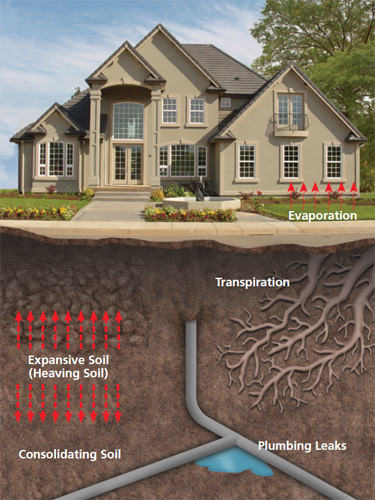
Soil movement is one of the most frequent causes of foundation cracks.
- Expansive Soils: Certain types of soil, like clay, expand when wet and shrink when dry. This constant shifting creates stress on the foundation, leading to cracks.
- Settlement: Over time, the soil beneath your home may compact or erode, causing the foundation to sink unevenly and form cracks.
- Action Needed: Proper grading and stabilization techniques can mitigate soil-related foundation issues.
2. Water Damage
Excessive water around your home’s foundation can lead to cracks and structural issues.
- Hydrostatic Pressure: When water accumulates in the soil, it creates pressure against the foundation walls, causing them to crack or bow.
- Poor Drainage: Inefficient drainage systems, clogged gutters, or improperly sloped yards allow water to pool near the foundation.
- Action Needed: Install effective basement waterproofing systems and ensure proper drainage to prevent water damage.
3. Temperature Changes
Fluctuations in temperature can cause materials in your foundation to expand and contract.
- Seasonal Changes: In St. Louis, seasonal weather variations can intensify these effects, leading to cracking.
- Thermal Expansion: Concrete expands in the heat and contracts in the cold, creating stress over time.
- Action Needed: Use materials designed to withstand temperature changes and seal existing cracks.
4. Poor Construction Practices
Substandard construction practices can contribute to foundation problems.
- Inadequate Reinforcement: Foundations lacking proper reinforcement are more likely to develop cracks under stress.
- Improper Soil Preparation: Building on improperly compacted soil increases the likelihood of settling and cracking.
- Action Needed: Ensure your foundation is constructed and inspected by experienced professionals.
5. Tree Roots and Vegetation
Nearby trees and plants can impact your foundation in unexpected ways.
- Root Intrusion: Tree roots seeking moisture can grow beneath your foundation, exerting pressure and causing cracks.
- Soil Moisture Changes: Vegetation absorbs water from the soil, leading to uneven moisture levels that cause shifting.
- Action Needed: Maintain a safe distance between large trees and your home’s foundation.
How to Identify Foundation Cracks
Understanding the causes of foundation cracks is essential, but recognizing them early is equally important. Here are the common types of foundation cracks to watch for:
- Vertical Cracks: Often caused by settling and typically less severe but still require monitoring.
- Horizontal Cracks: A sign of hydrostatic pressure and a more serious structural concern.
- Stair-Step Cracks: Usually found in brick or block foundations, often linked to uneven settlement.
- Hairline Cracks: Common in new constructions, these cracks may widen over time if not addressed.
FAQs About Foundation Cracks
Are all foundation cracks a cause for concern?
Not all cracks are serious, but it’s important to have any visible cracks evaluated by a professional. Small cracks can worsen over time if left unaddressed.
Can foundation cracks be repaired?
Yes, most foundation cracks can be repaired. The best foundation repair method depends on the type and severity of the crack. Techniques include epoxy injections, wall reinforcements, and underpinning.
How do I prevent foundation cracks?
Maintaining proper drainage, monitoring vegetation around your home, and addressing small cracks promptly can help prevent larger issues.
When should I call a professional for foundation cracks?
You should call a professional if you notice widening cracks, water intrusion, bowing walls, or other structural issues. Early intervention can prevent costly repairs.
Why Choose Cornerstone Structural Repair & Waterproofing?
For homeowners in St. Louis, Cornerstone Structural Repair & Waterproofing is the trusted choice for diagnosing and resolving foundation issues. Here’s why:
- Local Expertise: We understand the unique soil and climate conditions in the St. Louis area.
- Comprehensive Solutions: From waterproofing to crack repair, we offer a full range of services to protect your home.
- Experienced Team: Our licensed professionals use advanced techniques to deliver long-lasting results.
Contact Us to Learn More About the Causes of Foundation Cracks
Don’t let foundation cracks jeopardize the safety and value of your home. Contact Cornerstone Structural Repair & Waterproofing online or call us today to schedule a free consultation. Let us help you identify the causes of foundation cracks and provide the solutions you need to keep your home secure.